
My Blog

Uncategorized

Uncategorized

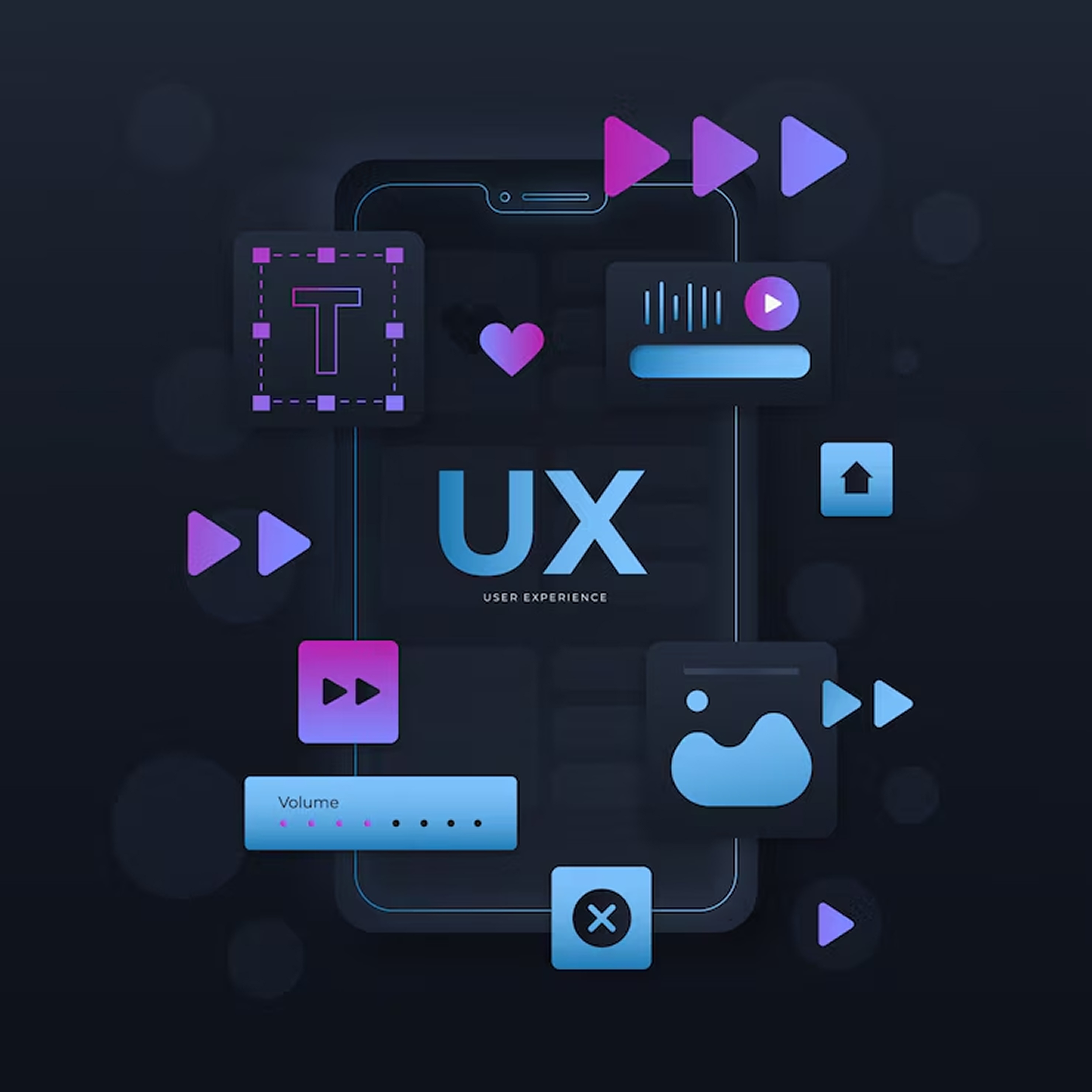
Top UI/UX Design Trends That Will Dominate This Year

Top UI/UX Design Trends That Will Dominate This Year At Stcakly As technology continues to evolve, so do the expectations of users. The field of UI/UX design has become increasingly dynamic, responding to new innovations, cultural shifts, and the changing needs of digital consumers. In this blog, we’ll explore the top UI/UX design trends set to dominate this year, offering both inspiration and direction for designers, developers, and businesses alike. AI-Powered Personalization Artificial Intelligence is no longer just a buzzword—it’s shaping how users interact with digital products. From content recommendations to adaptive interfaces, AI is helping create hyper-personalized user experiences.Why It Matters: Enhances user satisfaction by showing relevant content. Optimizes user journeys based on behavior patterns. Enables predictive design for better engagement. Example: Spotify’s personalized playlists or Amazon’s product suggestions driven by machine learning. Neumorphism and Soft UI Neumorphism, a blend of skeuomorphism and flat design, uses soft shadows and highlights to mimic real-world objects while maintaining a minimalist look. This trend creates interfaces that feel tactile and intuitive.Why It Matters: Visually appealing and modern. Adds a subtle 3D effect without overwhelming the user. Enhances user engagement through realism. Use Case: Health and fitness apps where control buttons mimic physical dials or switches. Dark Mode and Low-Light Interfaces Dark mode has moved from being a trend to a user expectation. It’s easier on the eyes, conserves battery (especially on OLED screens), and gives apps a sleek, modern look.Why It Matters: Improves accessibility in low-light environments. Offers a high-end aesthetic. Helps reduce eye strain for prolonged usage. Pro Tip: Ensure color contrast remains high to maintain readability. Micro-Interactions and Animations Micro-interactions—small, functional animations that occur when a user performs an action—add an extra layer of polish and interactivity.Why It Matters: Provides feedback and guides user behavior. Makes digital experiences feel more human. Encourages user engagement and satisfaction. Example: A heart icon pulsing when you like a post or a subtle shake on incorrect password entry. Voice User Interfaces (VUI) With the rise of smart speakers and voice assistants, voice user interfaces are becoming integral to UI/UX design. They provide hands-free, natural interaction options for users.Why It Matters: Enhances accessibility. Enables multitasking and faster interactions Aligns with the growing use of IoT devices Challenges: Ensuring clarity, context, and seamless fallback to visual UIs when needed. 3D Elements and Immersive Experiences Designers are increasingly embracing minimalist layouts enhanced by bold, expressive typography to create impact while maintaining simplicity.Why It Matters: Draws attention to key content. Improves readability and focus. Elevates visual hierarchy without adding clutter. Tip: Use variable fonts for flexible, responsive type design. Minimalism Meets Bold Typography The integration of 3D graphics and immersive elements can make interfaces more engaging and realistic, especially in e-commerce, gaming, and product showcases.Why It Matters: Increases user engagement. Allows better product visualization. Enhances storytelling and interactivity. Tools to Watch: Three.js, WebGL, and Blender. Glassmorphism This trend, inspired by frosted-glass effects, combines transparency, blur, and depth to create a sophisticated, modern UI style.Why It Matters: Adds visual hierarchy and focus. Provides a futuristic and clean look. Works well in both light and dark themes. Example: Apple’s macOS and iOS design language. Inclusive and Accessible Design As digital platforms reach global audiences, inclusivity and accessibility are no longer optional—they’re essential. Why It Matters: Ensures everyone, regardless of ability, can use your product. Complies with legal standards (like WCAG). Builds trust and brand loyalty. Design Considerations: Keyboard navigation. Screen reader support. High contrast and readable fonts. Augmented Reality (AR) Integration AR is becoming more prevalent across retail, education, and entertainment. It enables users to interact with digital elements in a real-world context.Why It Matters: Enhances customer decision-making (e.g., trying on glasses virtually). Creates memorable, interactive experiences. Provides a competitive edge in crowded markets. Toolkits to Explore: Apple’s ARKit, Google’s ARCore, Spark AR. Final Thoughts UI/UX design trends are driven by a mix of technological advancements, user expectations, and aesthetic preferences. Staying updated on these trends not only keeps your designs fresh but also ensures that your products deliver meaningful, intuitive, and delightful experiences.As we move further into the year, designers who embrace adaptability, inclusivity, and innovation will set the standard for user-centered digital design.Need help integrating these trends into your project? Let’s discuss how your product can evolve with the latest in UI/UX design.
Uncategorized

How Stackly Blends Design and Development for Seamless User Experiences

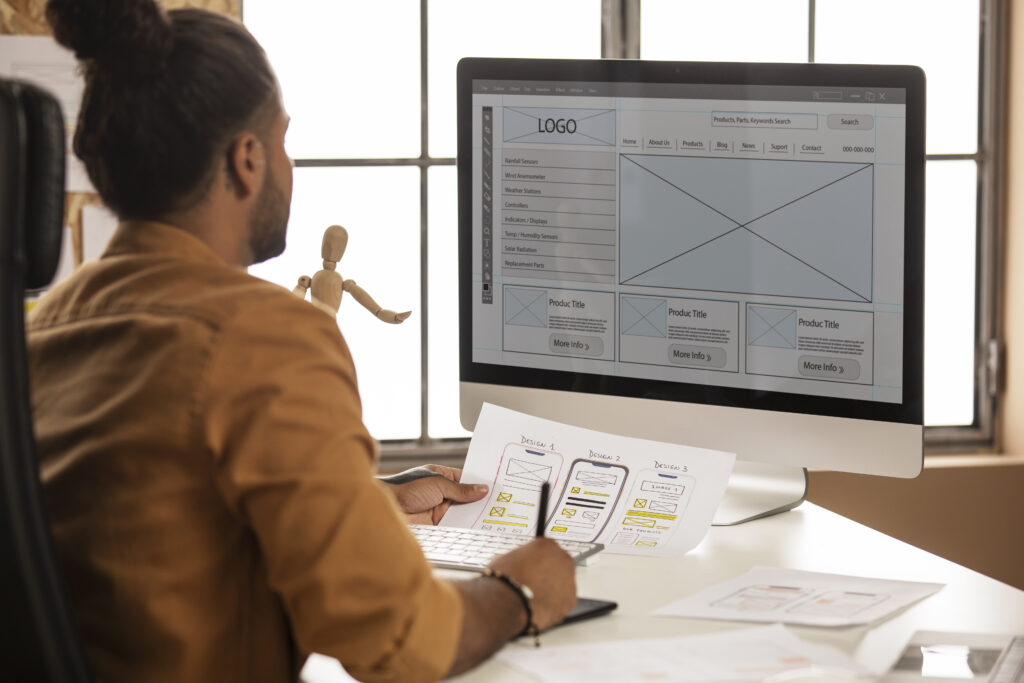
How Stackly Blends Design and Development for Seamless User Experiences At Stcakly In a world driven by digital interactions, your website or app isn’t just a tool—it’s your brand’s most important ambassador. Users today demand more than just good looks or functional code; they expect intuitive, engaging, and seamless digital experiences. This is where many agencies fall short: design and development are treated as separate worlds, often resulting in fragmented user journeys. We don’t just create beautiful designs or clean code—we blend them from the very beginning At Stackly, we do things differently.This unified approach ensures your users enjoy a cohesive, fluid experience from their very first click to their last. Design and Development Are Not Separate Processes User Experience (UX) Is at the Heart of Everything We Build Design Systems That Bridge Creativity and Consistency Prototyping and Real-Time Feedback Loops Performance and Accessibility Built Into the Design Custom Solutions, Not Cookie-Cutter Templates Real-World Results: Blending That Drives Outcomes Design and Development Are Not Separate Processes In traditional agencies, design and development often work in silos. Designers create mockups, hand them off to developers, and hope the final product looks and feels the same. The result? Miscommunication, delays, and products that don’t match the original vision.At Stackly, our design and development teams collaborate from day one. We hold joint strategy sessions, align on user goals, and communicate constantly throughout the project lifecycle. This ensures that design choices are informed by technical possibilities—and development respects design integrity. User Experience (UX) Is at the Heart of Everything We Build A seamless user experience isn’t just about visuals—it’s about how effortlessly users can navigate, find information, and complete actions. From button placement to page load speed, every detail affects UX.Our process starts with deep user research and journey mapping. We identify pain points, behavior patterns, and business goals. Then, our designers and developers work together to shape those insights into wireframes, prototypes, and real, working code.The result? An interface that looks great, feels intuitive, and functions flawlessly. Design Systems That Bridge Creativity and Consistency We create custom design systems that are shared across both design and development teams. This includes: Component libraries Color palettes and typography rules UI interaction patterns Responsive behavior rules By documenting and standardizing these elements, we ensure design consistency while streamlining development. Our front-end developers can reference components easily, reducing rework and speeding up delivery.This approach allows Stackly to build scalable, brand-consistent products that evolve gracefully over time. Prototyping and Real-Time Feedback Loops Before a single line of production code is written, we use interactive prototypes to simulate the user experience. This helps stakeholders and clients interact with the design in a realistic way—and gives our developers a clear understanding of functionality and flow.Throughout the build process, we use real-time feedback tools to test, tweak, and improve features quickly. This agile, iterative cycle means bugs are caught early, changes are painless, and improvements are continuous. Performance and Accessibility Built Into the Design At Stackly, performance and accessibility are not afterthoughts—they’re baked into the process. Our designers understand the importance of designing for speed, while our developers write optimized, accessible code.Throughout the build process, we use real-time feedback tools to test, tweak, and improve features quickly. This agile, iterative cycle means bugs are caught early, changes are painless, and improvements are continuous. We compress assets without sacrificing visual quality We use semantic HTML and ARIA roles for screen readers We test responsiveness across all devices We prioritize keyboard navigation and low-vision accessibility Why? Because a seamless user experience should work for everyone, not just those with the latest device or fastest internet. Custom Solutions, Not Cookie-Cutter Templates Every project at Stackly is approached with fresh eyes. Whether it’s a marketing website, eCommerce platform, or web app, we tailor every design and line of code to the client’s unique goals, audience, and brand.No shortcuts. No templates. Just well-researched, custom-built solutions that solve real problems—and feel great to use. Real-World Results: Blending That Drives Outcomes Our clients consistently see improvements in: Bounce rates Session duration Conversion rates Customer satisfaction Why? Because we build with empathy, strategy, and collaboration. A beautifully coded design or a well-designed piece of functionality means nothing if it doesn’t serve the user. By blending design and development, Stackly ensures every pixel and function serves a purpose. Final Thoughts Blending design and development isn’t just a trend—it’s the future of great digital experiences. At Stackly, we believe that only by uniting these disciplines can we deliver products that are not only functional and beautiful, but truly seamless.If you’re looking for a team that understands the importance of design-dev harmony and knows how to deliver impactful user experiences—let’s talk.

Uncategorized

Why Every Business Needs a Custom Website in 2025

Why Every Business Needs a Custom Website in 2025 At Stcakly In today’s fast-paced digital landscape, a strong online presence is no longer optional—it’s essential. As we move deeper into 2025, the need for businesses to stand out online has never been more critical. While drag-and-drop builders and generic templates may seem convenient, they often fall short when it comes to performance, branding, and user engagement. That’s where custom websites come in. Here’s why a custom website is not just a smart investment—but a necessity—in 2025. At Stackly, we believe every business deserves a digital presence that reflects its unique identity and goals. First Impressions Matter More Than Ever Optimized for Performance and Speed Tailored to Your Business Goals Better SEO and Visibility Enhanced Security Scalability and Long-Term Value First Impressions Matter More Than Ever Your website is often the first point of contact between you and potential customers. A generic template can make your business look just like everyone else’s, while a custom design ensures your brand makes a strong, lasting impression. With attention spans shorter than ever, users will judge your credibility in seconds. A custom-built siteby professionals not only looks polished but also speaks directly to your target audience. Optimized for Performance and Speed Search engines prioritize websites that load quickly and function smoothly across devices. Custom-built websites are optimized from the ground up—meaning no bloated code, unnecessary plugins, or slow-loading pages. At Stackly, we build with performance in mind, ensuring fast load times, responsive layouts, and smooth navigation to keep visitors engaged and search engines happy. Tailored to Your Business Goals Templates offer limited flexibility. A custom website is built around your exact needs—whether you’re generating leads, driving sales, or providing information.Want a unique user flow, advanced functionality, or third-party integrations? With a custom site, it’s all possible. Your website should grow with your business, not limit it. Better SEO and Visibility Custom websites are built with clean, SEO-friendly code and structure. This gives you a better chance of ranking higher on Google and attracting more organic traffic.We implement best practices during development—from meta tags to structured data—to ensure your website is search-engine ready from day one. Enhanced Security Off-the-shelf templates often come with vulnerabilities due to outdated plugins and widely known code structures. Custom websites, on the other hand, are developed with security in mind.At Stackly, we build secure, robust websites with the latest security protocols, reducing the risk of breaches and protecting your users’ data. Scalability and Long-Term Value A custom website is an investment that pays off in the long run. It’s easier to scale, update, and maintain—whether you’re expanding your product line, adding new features, or rebranding.Unlike template-based sites that often need complete overhauls, a custom-built platform grows with your business. Final Thoughts In 2025, standing out online requires more than just a web presence—it demands a powerful digital experience. A custom website is the foundation of that experience, tailored to your brand, optimized for performance, and built for growth.Ready to build something extraordinary? Let Stackly design and develop a custom website that works as hard as you do.

Scroll to Top